The world of e-commerce is ever evolving and to stay on top, you need to keep up with the latest trends. 2025 is just around the corner (yikes!) and e-commerce personalisation is set to be bigger than ever.
If you are yet to provide your customers with a personalised experience, you may want to tune in…
E-commerce personalisation is certainly not a new concept. Many e-commerce businesses have reaped the benefits of personalising the customer experience in recent years.
But with technological advancements, including the rise of artificial intelligence, safer data collection and advanced analytics, e-commerce personalisation is expected to be on the rise in 2025.
The Statistics
When it comes to incorporating personalisation into your e-commerce business, the statistics speak for themselves.
According to BigCommerce, 80% of customers said they are more likely to make a purchase when their experience is personalised. And a YouGov study found that one in four customers want to be sent personalised offers based on their personal preferences and purchasing history.
In terms of retail e-commerce, brands should expect to see a 10-30% increase in sales once they implement personalisation tactics.
Not only do customers want brands to personalise their experience, but they also expect it! According to data from SalesForce, 65% of customers expect brands to adapt their browsing and buying journey as their preferences and needs change.
And although people are now increasingly protective of their data due to the abundance of online scammers, an Accenture survey found that 83% of customers are willing to share their personal information and data if it will result in a better-personalised shopping experience.
The Benefits
E-commerce personalisation is mutually beneficial for your brand and your customers. When done properly, it allows you to treat each customer as a VIP. By implementing personalisation, you can:
Create a seamless shopping experience
By utilising key data, including browsing behaviours, purchase history and customer demographics, you can create a user-friendly experience that enables your customers to seamlessly find and purchase products that meet their needs and preferences.
Improve customer conversions
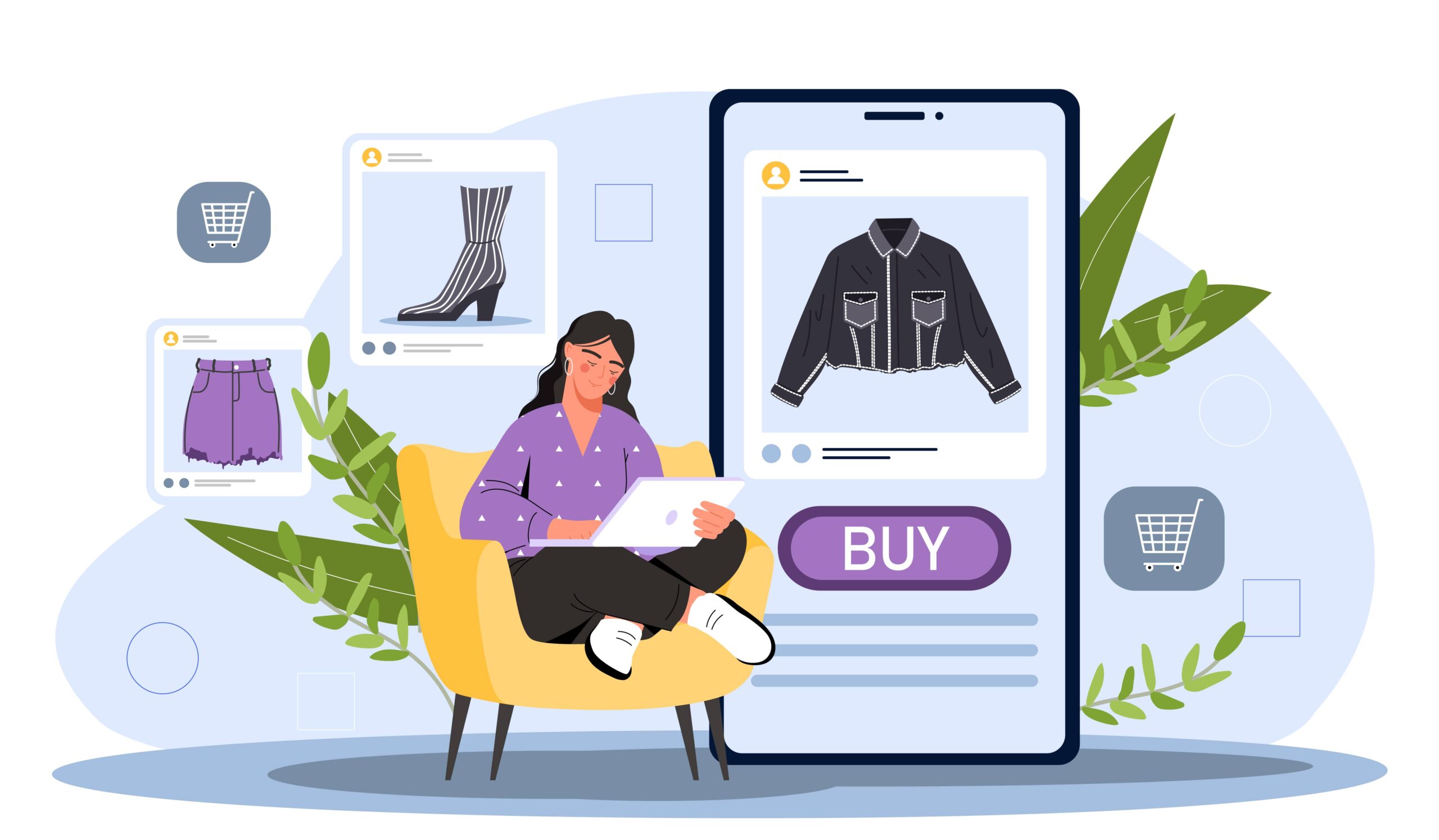
Personalisation is a surefire way to increase conversion rates. For example, personalised, targeted ads draw your customers from social media apps to your website where they are presented with products that align with their preferences and current needs.
Increase sales
Not only does e-commerce personalisation increase the number of sales, but it can also significantly increase the order value. By making recommendations and suggestions that are tailored to the customer’s purchase history and browsing history, you can upsell higher-end products and increase cart sizes.
Boost customer loyalty
Prioritising a personalised customer experience demonstrates that your brand understands its customers and strives to put them first.
If your customers are consistently experiencing a positive shopping experience heralded by personalisation, it will lead to increased trust and a solid brand reputation.
It will also boost customer loyalty and encourage customers to continue coming back to a brand that understands their needs, preferences and expectations.
Lead to data-driven insights
The data collected from customers whilst building a personalised e-commerce experience can be incredibly insightful. It can be used to create tailored loyalty schemes and rewards that further drive sales.
It can also help you make informative decisions about new product launches and can be useful in improving marketing strategies.
The Way To Get Ahead
If you want to jump on the personalisation trend and reap the benefits, here’s how to get started:
Collect the right data
When potential customers visit your site for the first time, you should be tracking which pages they viewed, their time spent on the site, any items they viewed or added to their wish list/cart and at what point they left the site (which landing page?).
For returning/past customers, the data you collect should include their past purchases, length of time between purchases, average order value, any promotions/rewards they have taken advantage of and how they have interacted with your site i.e., via an email or social media platform.
Ensure your e-commerce website is up to scratch
Your e-commerce website should offer an exceptional user experience and a seamless shopping way to shop online. It should be built for both mobile and desktop and should feature user-friendly navigation features.
A good e-commerce site also offers security features and several payment options. Product filters should work flawlessly, and products should have rich descriptions, reviews and photos.
The site should also have trust signals, including customer reviews, clear delivery information, contact information and links to social media sites.
Better yet, the e-commerce website should be optimised for search engines.
Decide which personalisation tactics are best for your brand
There is a range of personalisation tactics that are proven to boost conversions, increase sales and improve customer loyalty. But some of them may be better for your brand than others. Here’s just a handful of popular personalisation tactics:
- Data-driven product recommendations
- Geotargeting
- Dynamic content blocks on landing pages
- Pop ups – i.e. 10% off if you sign up to an email newsletter
- Segmented email marketing
- Virtual try-ons
- Customised discounts, offers and rewards
- Social media integration for personalised ads.