In today’s digital world, making your website accessible is not just considerate – it’s a necessity. With around 20% of the UK population living with some form of disability, accessibility opens up your site to more people and benefits your business in multiple ways. Here’s a breakdown of the top benefits and the legal reasons to ensure your website is accessible.
Top Benefits of an Accessible Website
- Avoid Discrimination and Legal Issues 🏛️
- Under the Equality Act 2010, UK websites must be accessible, particularly if they are open to the public or provide services online.
- Non-compliance could lead to fines or discrimination claims. Proactively making your site accessible ensures you’re in line with the law and prevents avoidable legal troubles.
- This act applies to all businesses, from SMEs to large corporations, so investing in accessibility helps protect your reputation and budget in the long term.
- Improve Usability for Everyone 🌎
- Accessibility features benefit all users, not just those with disabilities.
- A well-designed, accessible site makes it easier for everyone to navigate, including mobile users, seniors, and those with temporary impairments.
- You’ll likely improve usability and user satisfaction across the board, creating a smoother and more enjoyable experience for everyone who visits your site.
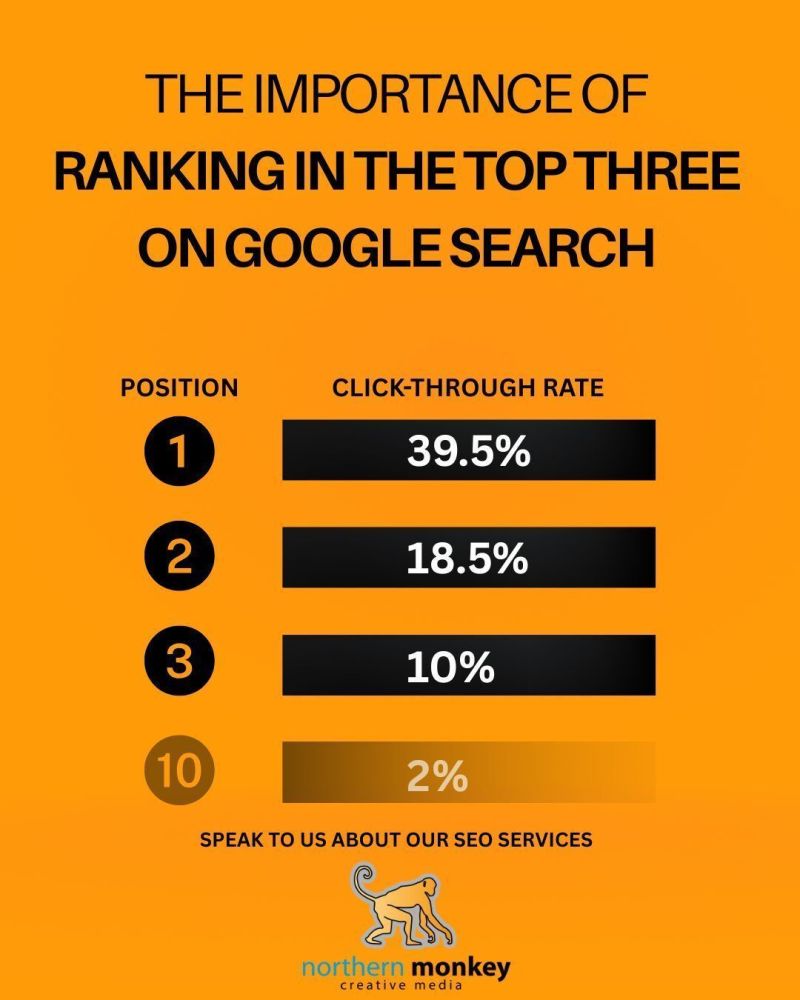
- Boost SEO (Search Engine Optimisation) 🚀
- Search engines, like Google, “see” your site in a way similar to how visually impaired users do. Alt text, clear headings, and organised content help search engines understand your site better.
- A strong SEO strategy relies on good accessibility practices, which means you’ll see benefits in terms of both visibility and user experience.
- With accessibility-friendly content, your website becomes easier for both users and search engines to navigate, leading to better rankings.
- Reach a Larger Audience 📈
- By making your website accessible, you’re opening your content to more people – including individuals with visual, auditory, motor, or cognitive disabilities.
- This segment has a significant combined spending power, and accessible websites make it possible for them to engage with your brand.
- Accessibility allows you to reach a broader market, which means more potential customers and more engagement.
- Build a Positive Brand Image 💙
- Demonstrating social responsibility by making your website accessible reflects well on your brand.
- Customers value brands that are inclusive and socially conscious, and an accessible website shows your commitment to these values.
- Accessibility helps you stand out from competitors, building trust and loyalty among all users.
- Encourage Innovation in Design ✨
- Designing for accessibility often leads to innovative solutions that enhance the overall design of your site.
- Accessibility best practices can create a cleaner, more modern look without sacrificing aesthetics or functionality.
- Embracing accessible design can make your site more engaging and visually appealing to all visitors.
Legal Requirements in the UK for Web Accessibility
In the UK, accessibility isn’t just beneficial for your business – it’s a legal requirement for most organisations, especially those in the public sector. Here’s what to keep in mind:
- Equality Act 2010 Compliance: Under the Equality Act, websites need to be accessible to avoid discrimination against people with disabilities. Failing to provide reasonable adjustments online could expose businesses to legal action.
- Public Sector Accessibility Regulations: Since 2018, public sector websites are required to meet certain accessibility standards. Private businesses that provide services to the public are increasingly expected to follow similar guidelines.
- Risk of Legal Action: Accessibility lawsuits and claims are on the rise. Addressing accessibility proactively not only ensures you comply with UK regulations but also lowers your risk of facing costly legal claims.
Making your website accessible is a smart choice that boosts your reputation, broadens your reach, and aligns your business with UK legal requirements. By committing to accessibility, you’re investing in a more inclusive, user-friendly future for all.